Original topic illustration: ChainView BTC866 original topic diagram · ChainView BTC866 Editorial · CC BY 4.0
Identify the contracting entity
For a Brazil-related service, establish the legal entity, activity and customer location. A global brand, Portuguese page or BRL quote does not establish permission to offer every product to every person.
Compare names across the account agreement, corporate disclosure and official authority material, recording entity number and service type. A report that a group entered Brazil does not establish that local onboarding, funding and every derivative product are available. Attribute media claims until the specific entity and function can be confirmed.
For a Brazil-related service, first identify the legal entity, activity and customer location, then separate central-bank, securities and tax questions.
Separate authority questions
Banco Central do Brasil, CVM and tax authorities address different issues. Provider activity, securities products, fund movements and reporting cannot be reduced to one compliance badge. Keep the date and conditions of the relevant official material.
Authority responsibilities can evolve with legislation and implementation. This article does not supply an unverified live licence list. Read the document's scope before matching entity and activity, distinguishing general guidance, an application procedure and a decision about a named firm. Policy discussion is not automatically an effective rule.
Use Banco Central do Brasil and CVM publications to determine which authority addresses the actual product; an overseas brand name is not a local authorisation.
Assess residence individually
Residence, nationality and account eligibility are distinct. Overseas Chinese users should provide accurate information rather than infer their status from another user's access. The contract and source-of-funds requirements may differ for cross-border arrangements.
Residence may depend on actual circumstances and local definitions. Language preference, a passport or one phone number cannot settle every case. Users should confirm their situation with the provider and a qualified adviser rather than copying a social-media success story. No part of the checking route instructs identity or source-of-funds evasion.
Residence, transaction dates and the nature of the asset affect reporting questions, so retain trade confirmations, BRL conversions and transfer records for review.
Keep native and BRL records
Preserve confirmations, chain hashes, bank references, fees and conversion sources. Separate internal transfers from purchases and sales. Verify current local reporting and valuation rules instead of declaring identical tax effects for every transfer.
A cross-currency ledger can retain native quantity, quote, fee and BRL valuation, with internal movements linked by identifier. Reporting obligations are time-sensitive, and an adviser may need the original export rather than the article's summary. Incomplete acquisition evidence should not be silently treated as zero cost or an assumed exemption.
Check dated official rules and registers at the time of use, and do not infer foreign-resident eligibility or tax treatment from another user's account access.
Recheck at the time of use
Registers, transitions and authorisation scopes can change. Record established facts and unresolved questions, seeking qualified local advice for the personal case. This is a verification map rather than endorsement or an individual legal conclusion.
For updates, retain the earlier date and explain the change, rechecking redirected or redesigned official pages. Quote warnings about the exact entity and activity instead of generalising one firm's risk to every service. Preserve necessary evidence while protecting personal data; this supports long-term use by overseas Chinese residents without promising a particular outcome.
For a provider comparison, use one row per legal entity rather than one row per brand logo. Add the service, source date and unanswered customer question. That layout exposes when evidence concerns only an affiliate or one product. It also lets a later official change update the correct row without implying that every service in a global group changed status simultaneously. Keep the record educational and avoid publishing a reader's identity or personal financial history.
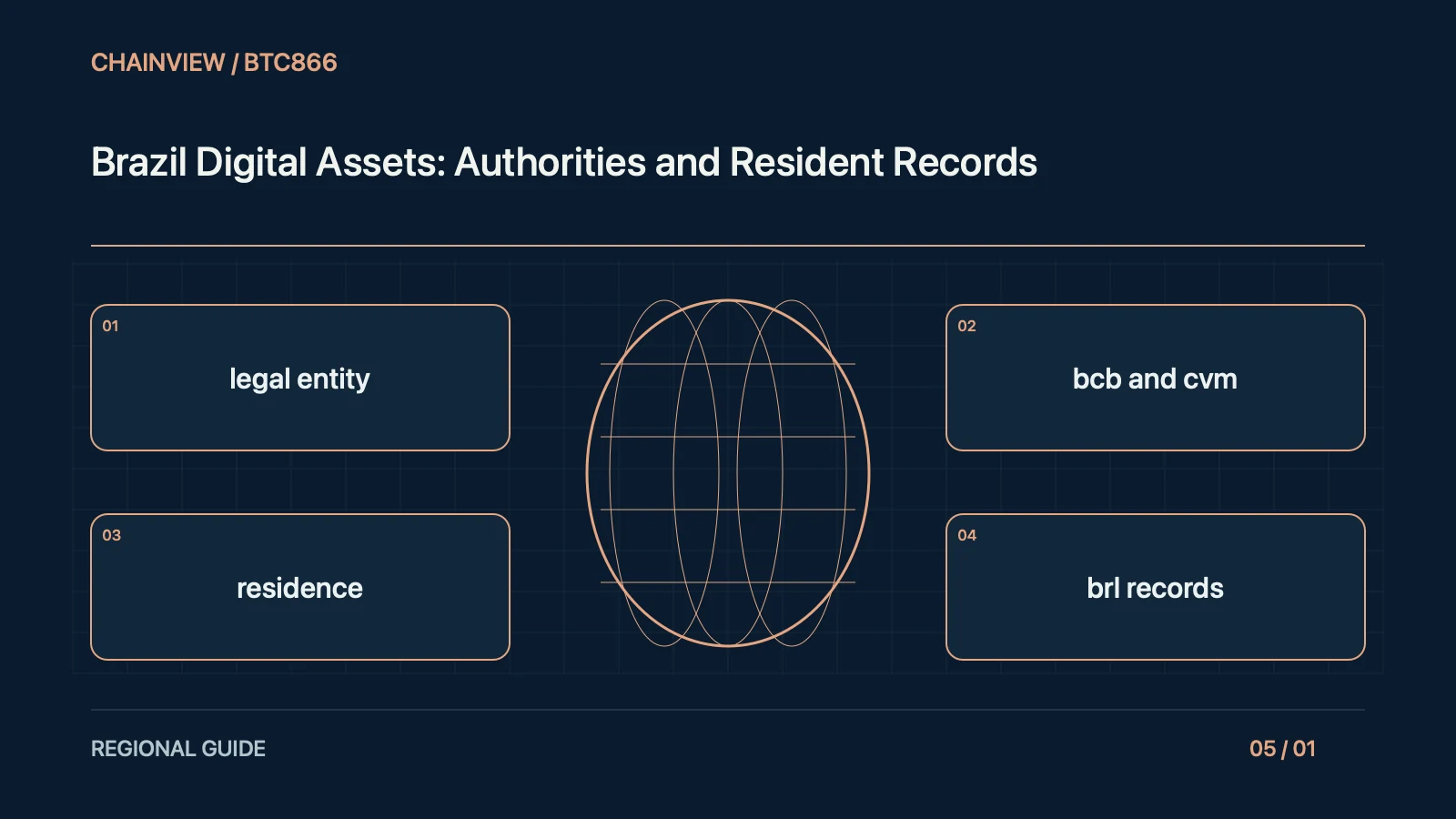
A regional verification record can begin with legal entity, bcb and cvm, residence and brl records, linking each to official wording, retrieval date, contract and personal facts still requiring clarification. Preserve original terminology when translating. General rules, the firm’s status and the user’s eligibility are separate findings. An accessible page does not enlarge a legal permission, and incomplete facts call for a provider or qualified local assessment. Minimise disclosed personal data while retaining necessary evidence securely. Public educational material should never include identity documents, account passwords or recovery secrets. This record supports informed questions and future updates; it does not provide a universal authorisation for every reader abroad.